In 1996, the Dutch Diamond Approach – a unique model of public-private collaboration in India – formed the basis for Task Force Health Care. Three decades later, this model keeps fulfilling its full potential, this time in East Africa. TFHC works with government bodies, businesses, knowledge institutions and NGOs in Kenya to improve healthcare and make it more accessible.
Accessible healthcare for all
That is what the Kenyan government has set out to achieve. By building more international trade relationships, it hopes to improve the country’s healthcare, particularly in rural areas. Primary health care is often out of reach for much of the rural population. As a result, many people go straight to a specialist, adding to the pressure on secondary care. In collaboration with businesses, government bodies and knowledge institutions (including Dutch ones), the Kenyan government aims to improve access to healthcare. Together, the partners work on a universal health insurance system, a stronger infrastructure in rural areas and digitization of patient records.
The Dutch Top Sector Life Sciences & Health (LSH) put Kenya on TFHC’s radar back in 2014, when it concluded that there was a market for Dutch healthcare innovations in other countries around the world as well. In LSH’s first international strategy – presented to the Dutch Minister of Health, Welfare and Sport (VWS) in 2015 – East Africa was named a priority region. That marked the beginning of a lasting partnership between the Netherlands and Kenya.
Sustained diplomacy leads to lasting collaboration
In the following years, TFHC set about connecting Kenya and the Netherlands, beginning with a market exploration in 2016. Economic missions were organized with the Ministry of VWS in 2017 and 2019, while Kenyan delegates visited the Netherlands, becoming regular participants in the Health Holland Visitors Programme and World of Health Care.
After the COVID-19 pandemic, the partnership regained momentum in 2022. In its policy paper Doen waar Nederland goed in is (Doing what the Netherlands does best), the Dutch Ministry of Foreign Affairs chose to combine development cooperation and commerce, shifting from aid to trade. Together with the Dutch Global Health Strategy, this provided the foundation for a Combi Track: a strategic, multi-year program aimed at low- and middle-income countries, built around a specific thematic focus. Leveraging the positive diplomatic ties between Kenya and the Netherlands, the Combi Track was aligned to Kenya’s objective of building a better and more accessible healthcare system.
“In the years before, we already noted a great deal of interest and more partnerships from Dutch organizations in the Kenyan market,” says Helena Pluimes, Project Manager at Task Force Health Care. “The Combi Track formed a consortium where these organizations could find each other, explore potential partnerships and encourage any newcomers.”
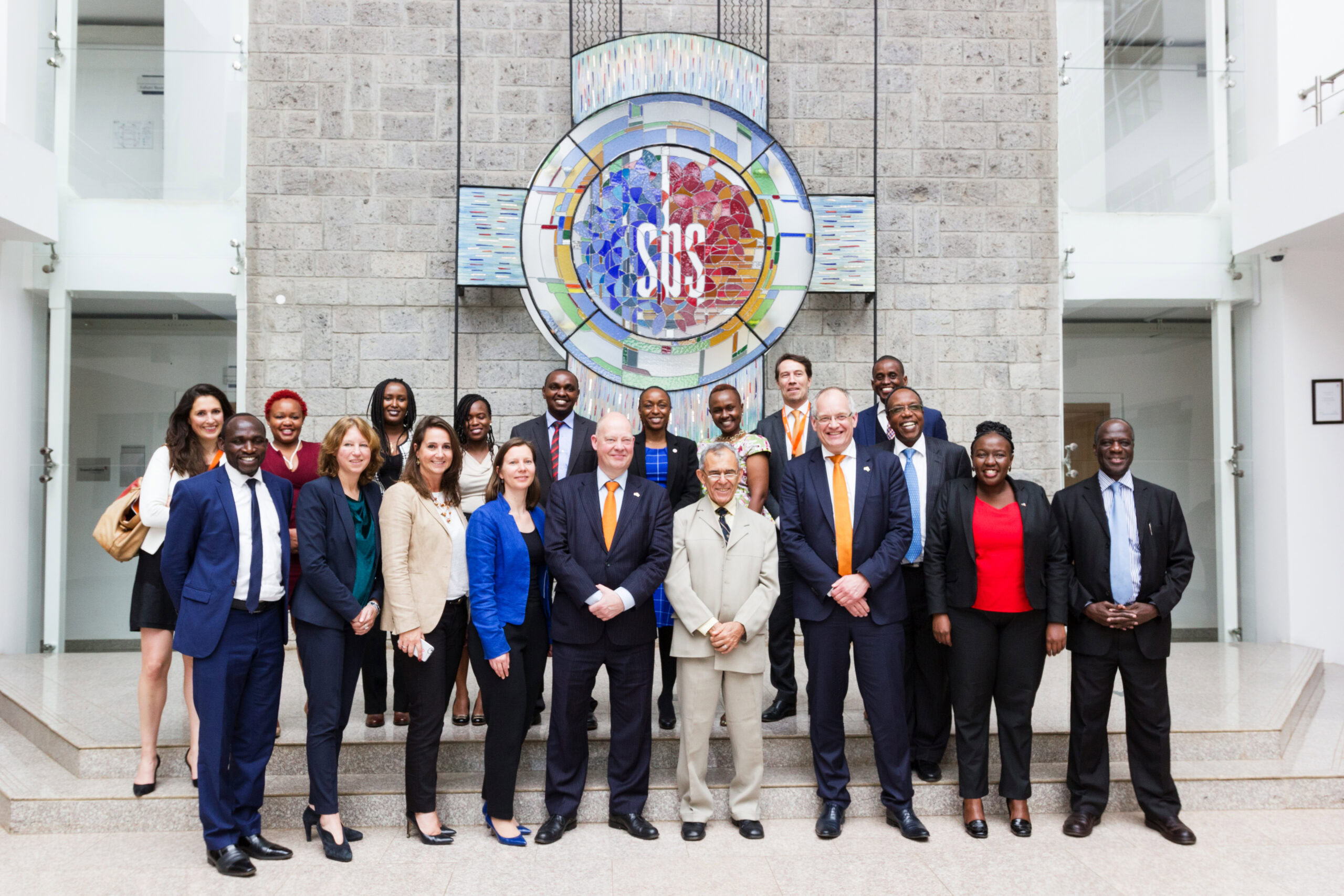

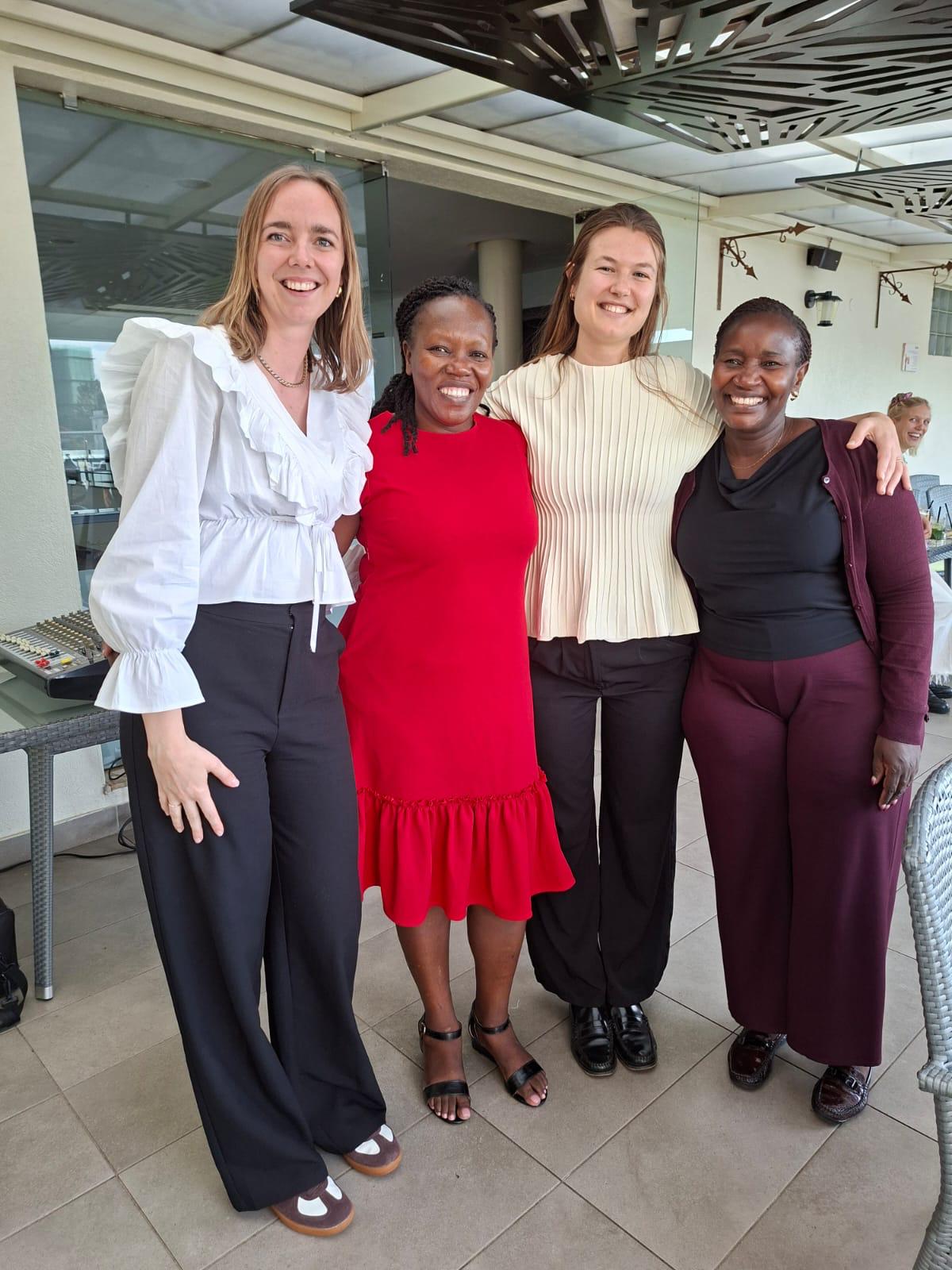

TFHC connects more than 40 companies and institutions
For the 2023 implementation phase of the Combi Track, TFHC worked alongside the Netherlands Enterprise Agency (RVO), the Ministry of Foreign Affairs and the Dutch embassy in Nairobi. “Each year, we include a Kenyan party in this core group, to keep up to date with developments in the country and its healthcare sector,” Pluimes explains. As a joint operator in the Combi Track, TFHC organizes a coherent program with its partners. “Every year we run eight activities, ranging from visits to both countries, to knowledge sessions on funding,” says Pluimes. “All of them are geared towards matching Kenya’s healthcare needs with Dutch businesses and innovations.”
As partner in the Combi Track, TFHC lives up to its mission of connecting the right people and organizations. “We identify the organizations that are already active in Kenya and those looking to enter the market. This group already consists of 40 organizations, ranging from multinationals and NGOs to knowledge institutions. We see fewer start-ups, because the risks of Kenya as a market are greater for them,” says Pluimes. “The Combi Track itself doesn’t provide funding, but we educate companies on the financing instruments that are available to them. TFHC acts as a platform: we advise on developments in the Kenyan market and make sure Dutch organizations are linked to the right Kenyan partners. Connection is the foundation of everything we do.”
The first Dutch innovations in Kenya
After 2.5 years, the results of TFHC’s role as a connector are becoming increasingly visible. Thanks to the program, more and more businesses apply for funding through RVO, and several Dutch innovations have already made their way to Kenya. One example is Delft Imaging’s BabyChecker: a portable, battery-operated ultrasound scanner that can help pregnant women in the most remote areas. “Working with foundation PharmAccess, a local county bought several of these scanners, which has improved maternal and child care in rural areas immediately,” Pluimes says. “It’s rewarding to see that the Combi Track played a part in enabling this.”
Another Dutch innovation comes from Healthy Entrepreneurs. In Kenya’s rural areas, community health promoters provide information on healthy living, carry out basic health checks and refer patients to other healthcare providers. “Under the Healthy Entrepreneurs model they are paid more, which means more community health promoters, and better and more accessible health care, including in rural areas,” says Pluimes. “In the Combi Track, we support organizations such as Healthy Entrepreneurs, by advising on funding instruments or connecting them with Kenyan stakeholders.”
While visiting Kenya, Pluimes has seen the Combi Track’s impact at first hand. “The moment a new innovation is implemented, you see how grateful people can be, particularly in the more remote areas. You don’t always need complex or expensive solutions, improving access to care is a big part of it too. But the impact of more high-tech innovations is equally clear.”
Building trust is a long-term endeavor
There is a reason Dutch businesses are managing to gain a foothold in Kenya. “In a country like Kenya, everything comes down to long-term relationships,” says Pluimes. TFHC has been nurturing alliances with public and private stakeholders for ten years now, and this Combi Track has accelerated that process. As such, the Netherlands has become a trusted and consistent partner. Dutch companies do not have to start from scratch, but can build on the existing network, reputation and trust.”
Because TFHC has a thorough understanding of the local context, culture and stakeholders – partly thanks to its close collaboration with the embassy in Nairobi and local partners – the organization can open doors, connect the right parties and carry out a crucial first step of due diligence. Pluimes: “Our involvement gives Kenyan organizations the confidence they need to do business with Dutch companies. This is how we demonstrate that the Netherlands is a reliable long-term partner. As a result, the partnership continues to evolve: from a traditional developmental aid relationship to an equal trade relationship.”
Continuing to invest in relationships and healthcare
With 1.5 years of its term left, TFHC continues working in Kenya. “Because we’ve been coming back for years, we have built relationships and earned the trust of organizations and individuals. We are all working towards the same goal of supporting improvements to Kenya’s healthcare system. That is why the TFHC is committed to continuing the collaboration in the Dutch consortium after the Combi Track runs out. We will maintain and reinforce the long-term relationships with Kenyan partners and encourage the joint partnerships of Dutch organizations.”
Thirty years after the first public-private collaboration in India, Task Force Health Care is proving in Kenya that this way of working still yields value: global healthcare can be improved by bringing the right people together.
Stay connected
For more information about this mission or opportunities for collaboration, feel free to reach out:
Phone: +316 82 39 04 68
E-mail: info@tfhc.nl