From 13 to 16 October 2025, Task Force Health Care (TFHC) conducted a mission to Nairobi and key counties in Kenya with the aim of strengthening collaboration between Dutch and Kenyan Life Sciences & Health (LSH) organisations. The mission focused on exploring innovative solutions and advancing Universal Health Coverage, with particular attention to access, quality, financing, and system responsiveness.
During the mission, TFHC engaged with a diverse range of public, private, and faith-based stakeholders and explored pilot opportunities under the First 1,000 Days Initiative (F1DI) in Kisumu and Homa Bay counties.
Main Activities
During our time on the ground, we accomplished significant insights and relationship-building activities, including:
Stakeholder Engagement & Market Alignment
Dutch participants and partners, including Amref, PharmAccess, Unifix Care, Coolfinity, Microbe&Lab, Invest International, TNO, GOAL 3, and Healthy Entrepreneurs, were actively engaged to shape a collective strategy for the Kenyan market.
Site Visits & Practical Insights
The delegation conducted site visits to healthcare facilities such as Malaica and Kijabe Mission Hospital, gaining first-hand insight into healthcare delivery models, digital health systems, and partnership structures in practice.
Knowledge Exchange & Local Perspectives
Presentations and learning sessions were held with local and regional organisations including Villgro, Damu Sasa, The Pathology Network, RUPHA (Rural & Urban Private Hospitals Association of Kenya), CHAK, and representatives from Kisumu and Homa Bay counties. These sessions focused on market needs, operational challenges, and successful collaboration models.
Roundtables & Co-Creation Sessions Interactive workshops and co-creation sessions were held, including roundtable discussions with 40 healthcare facilities under RUPHA, to align Dutch solutions with county priorities, examine financing mechanisms, and map pilot opportunities in maternal and child health under F1DI.
Key Takeaways
- Trust and relationship-building are critical: Separate engagement with public, private, and faith-based stakeholders enabled clearer role definition and more focused collaboration discussions.
- Co-creation and local ownership drive sustainability: Aligning Dutch innovations with county priorities, technical capacity, and financing realities is essential for long-term impact.
- Financing literacy is a key success factor: Understanding local funding mechanisms, blended finance opportunities, and investment criteria is crucial for scaling pilots and collective strategies.
- Strong potential for replication and scale: The F1DI framework provides a solid basis for demonstrating impact in Kisumu and Homa Bay that can be adapted to other counties or thematic gaps within Kenya’s health system.
What’s Next
Building on the momentum of the mission, the following steps are planned:
- Finalising Dutch stakeholder contributions to F1DI and defining roles within the collective framework.
- Planning follow-up missions and working sessions in May 2026 to present investment cases, define county roles, and co-create long-term implementation plans.
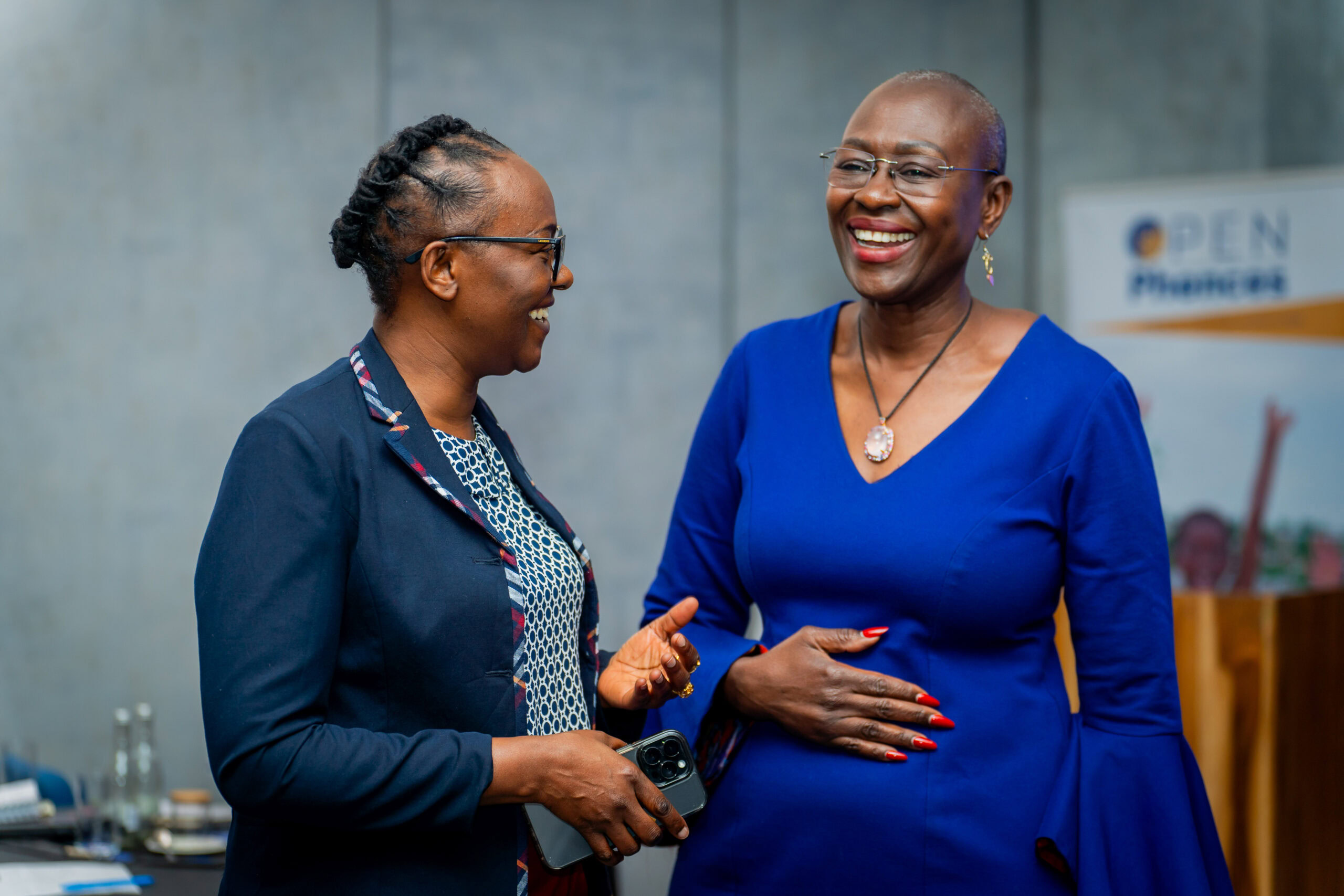
- Maintaining momentum through ongoing communication, facilitated by Open Phences Hub and the TFHC Combi Track team.
TFHC extends its sincere thanks to the Open Phences Hub team, especially Wanjiru Mwaniki, Dr. Noelle Orata, and Frank Wafula, as well as Geoffrey Korir and Auke Boere, for their support in making this mission a success.
This mission has reinforced the importance of collective impact, local partnerships, and sustainable innovation, setting the stage for meaningful progress in Kenya’s health sector.
Stay connected
For more information about this mission or opportunities for collaboration, feel free to reach out:
Phone: +316 82 39 04 68
E-mail: info@tfhc.nl