How a demand-driven exchange between Kenyan healthcare providers and Dutch Life Sciences & Health organisations is laying the groundwork for long-term partnerships.
The Kenya–Netherlands Life Sciences & Health (LSH) Combi Track brings together Dutch and Kenyan organisations to strengthen healthcare systems through collaboration, innovation and sustainable business partnerships, contributing to improved Universal Health Coverage (UHC). Discover more about the Kenya–Netherlands Combi Track.
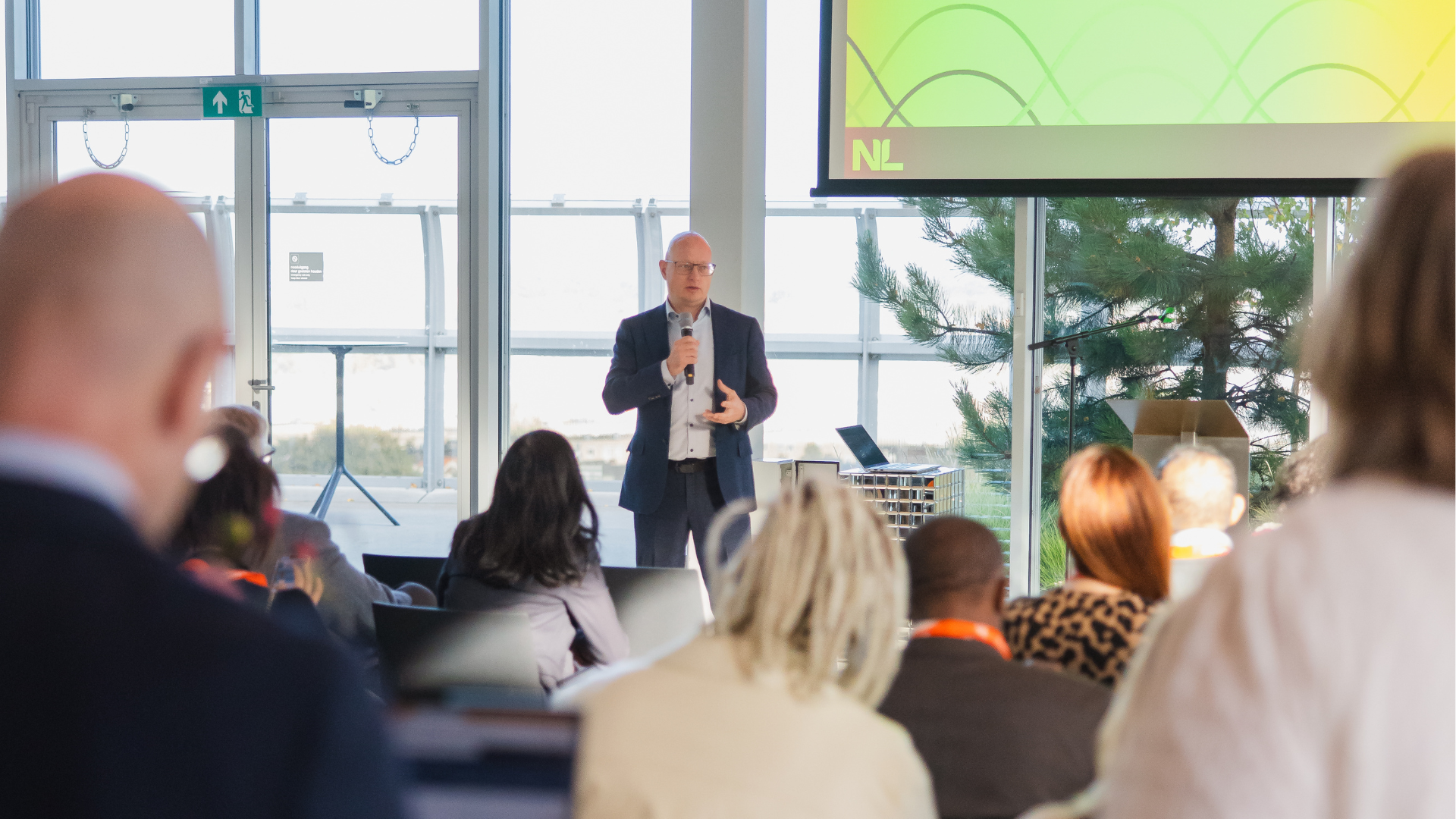
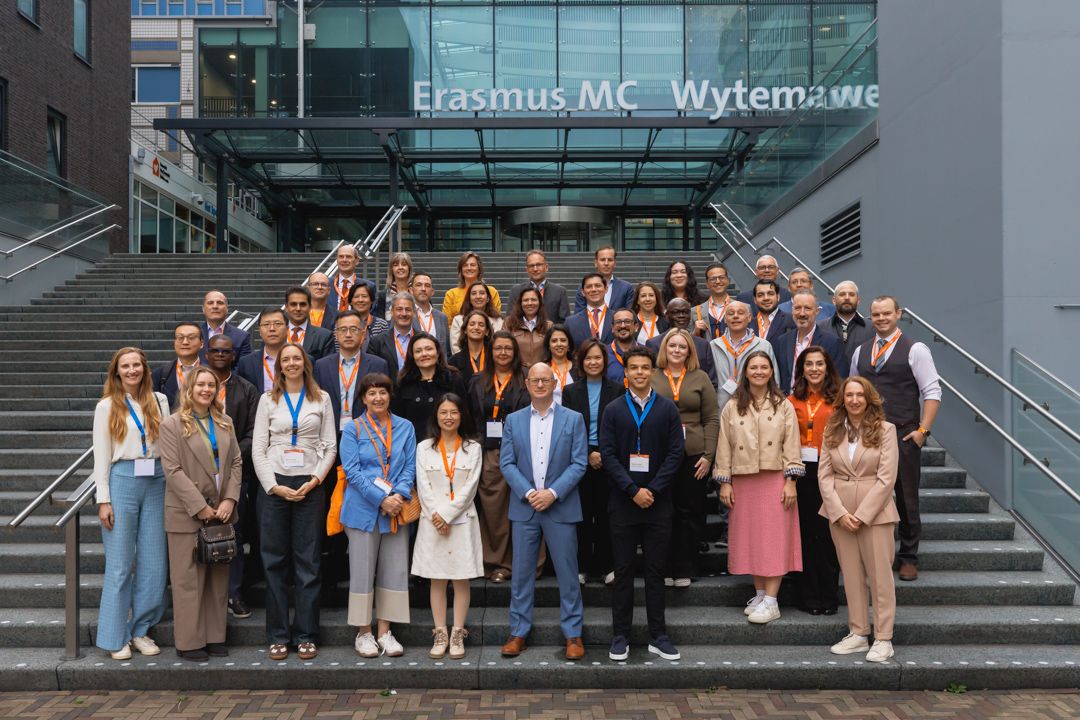
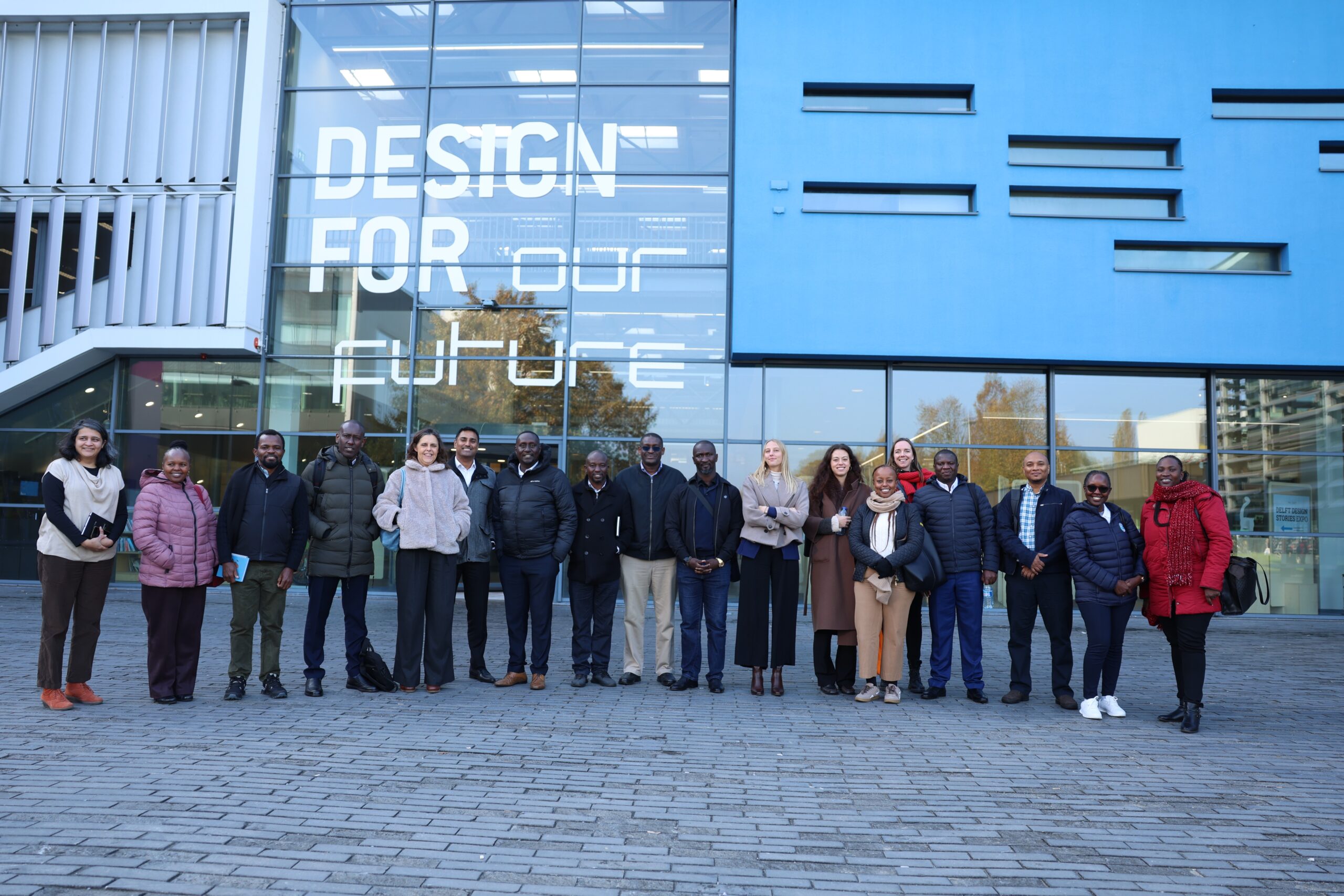
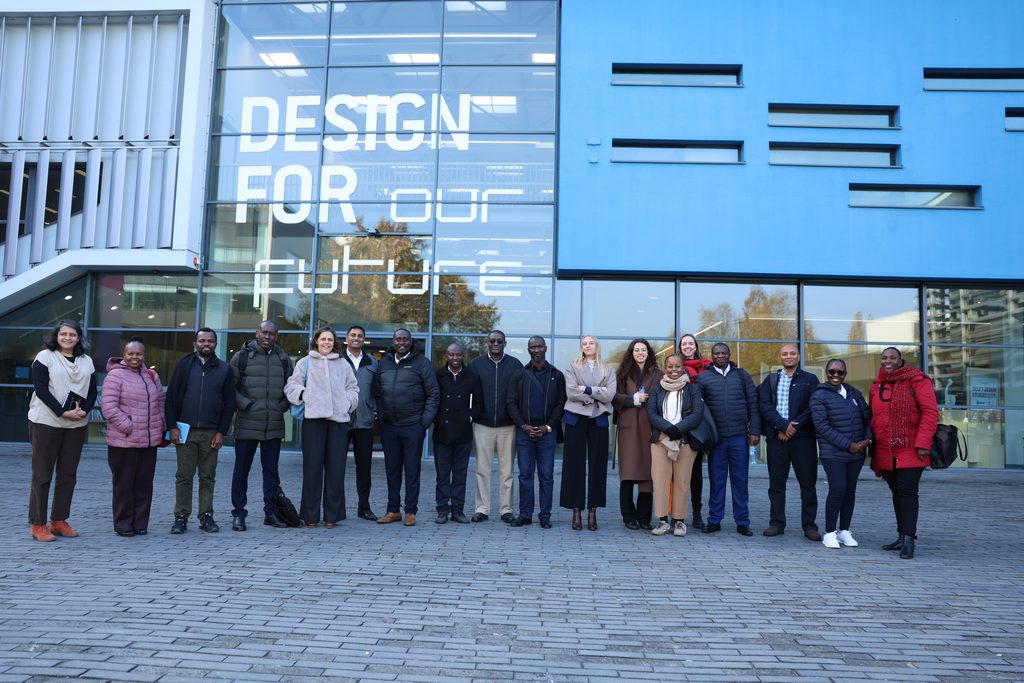
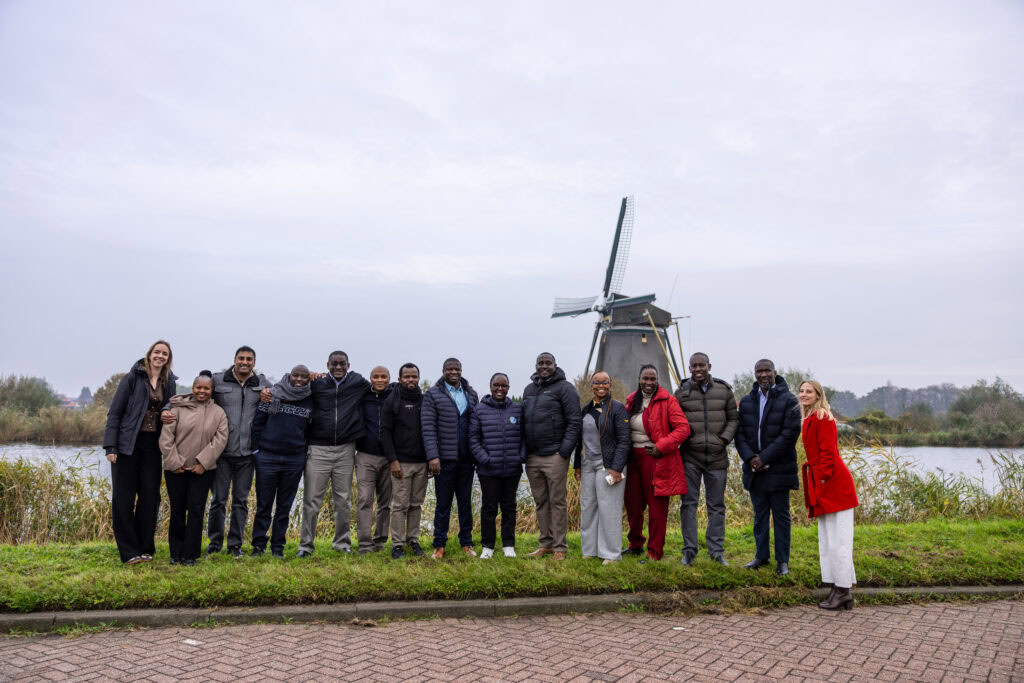
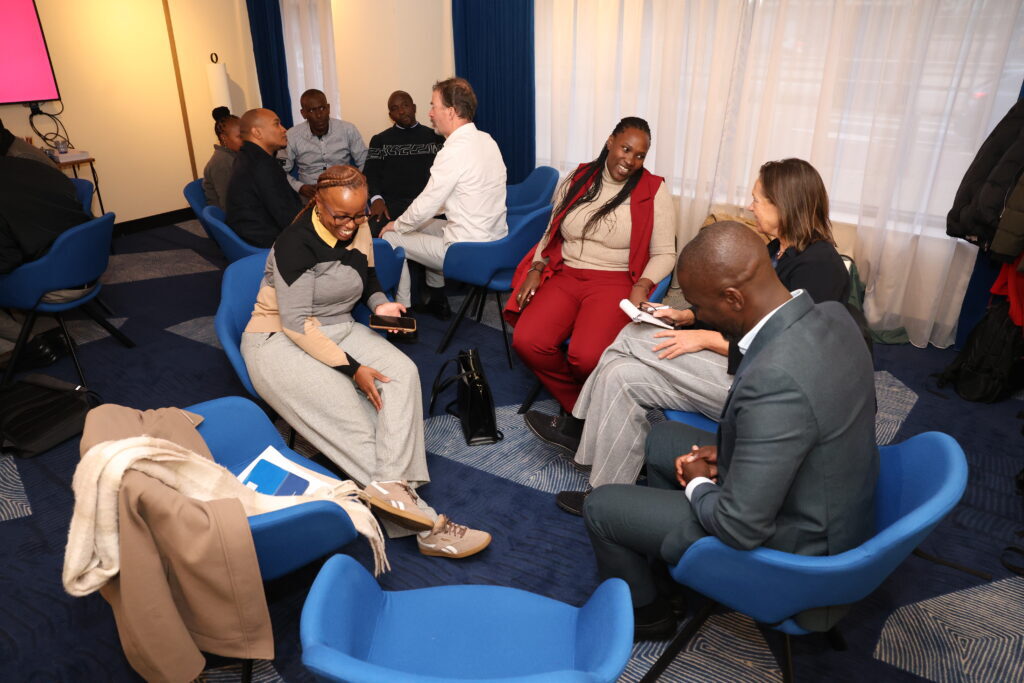
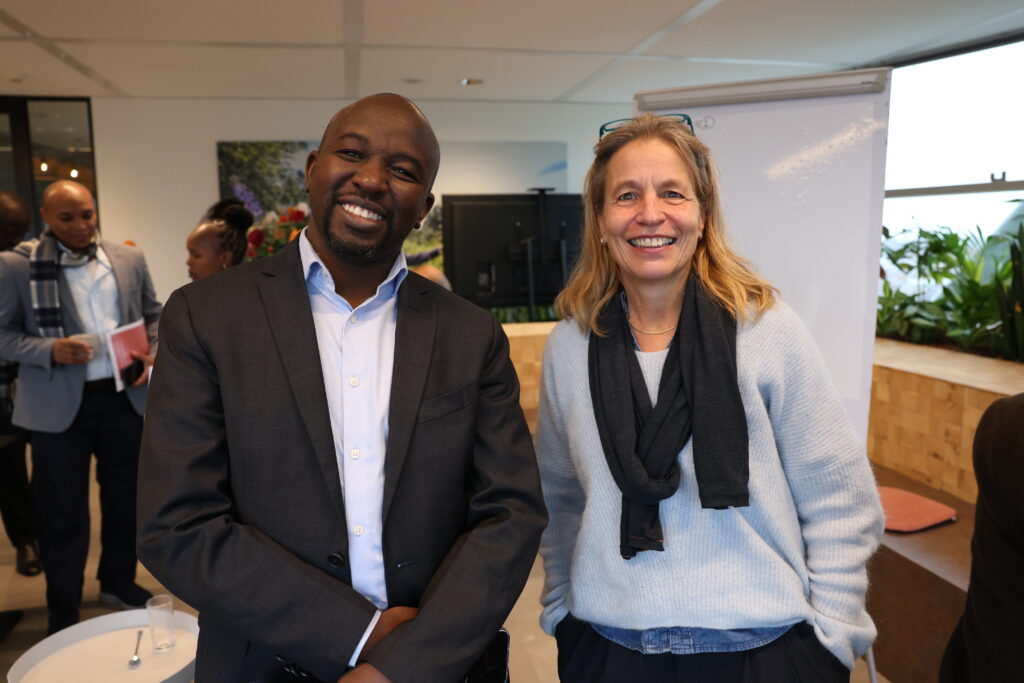
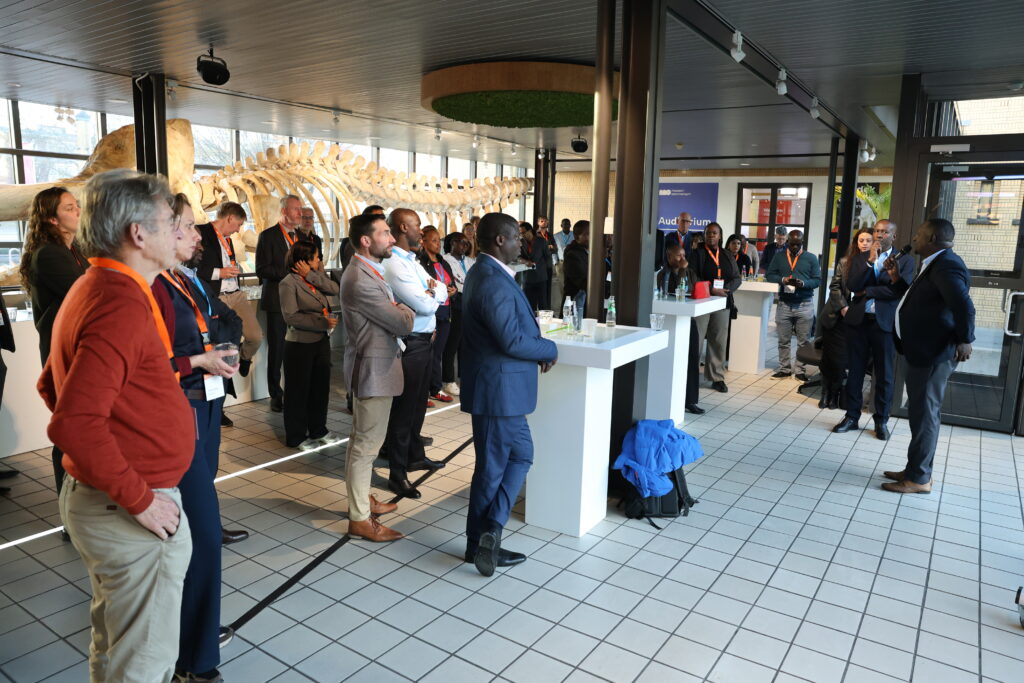
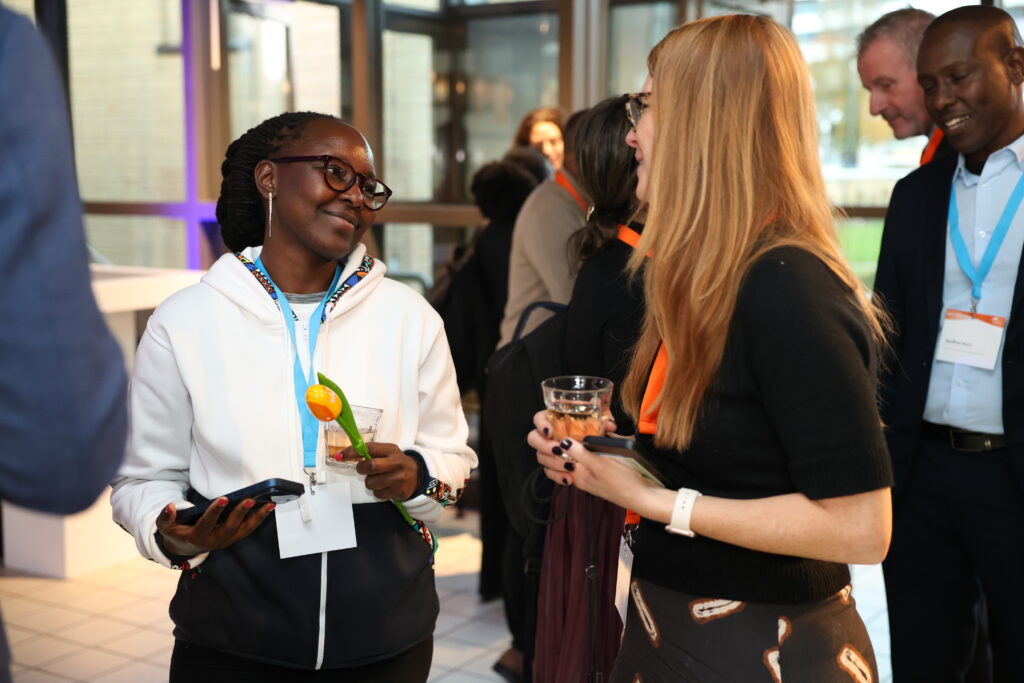
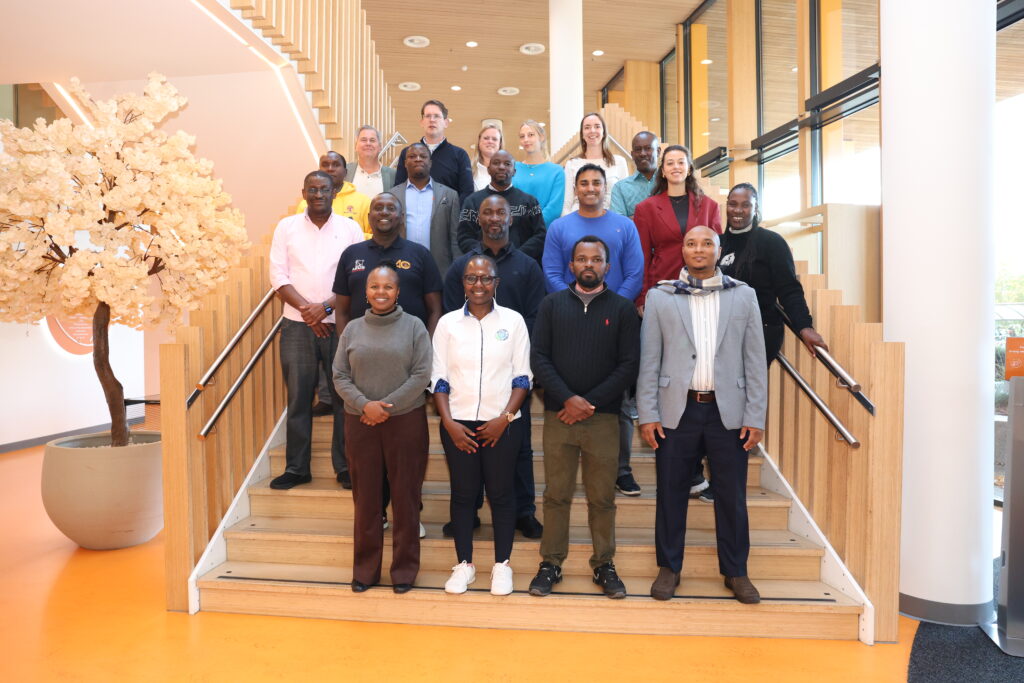
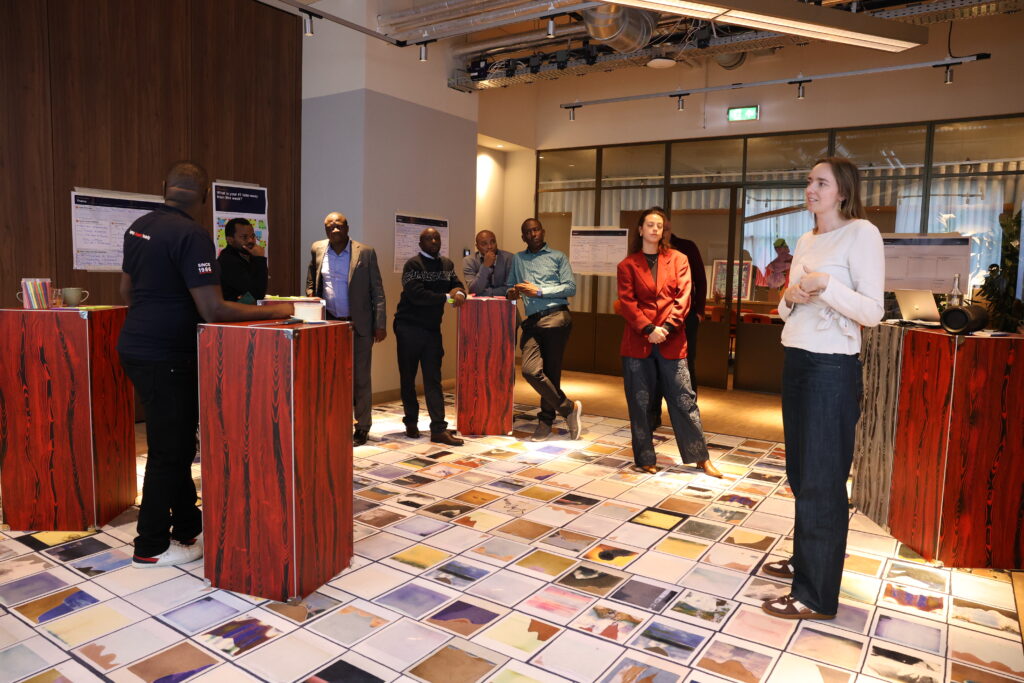
As part of this multi-year collaboration, a delegation of Kenyan healthcare stakeholders visited the Netherlands from 10–13 November 2026. With a specific focus on Kenya’s private healthcare sector, the visit aimed to connect Kenyan healthcare providers with Dutch companies, knowledge institutions, hospitals and financing organisations to explore opportunities for practical, long-term collaboration.
The underlying ambition was clear: move beyond introducing individual technologies or services and explore how Dutch and Kenyan organisations can jointly develop solutions that respond to real healthcare needs, are financially viable and can be implemented and scaled within the Kenyan healthcare system.
What happened?
The programme was developed in close collaboration with three key Kenyan healthcare associations: the Kenya Healthcare Federation (KHF), Christian Health Association of Kenya (CHAK) and Rural & Urban Private Hospitals Association of Kenya (RUPHA). Through their networks, a delegation representing different types of healthcare providers was brought together, including hospital leaders, private healthcare organisations and healthcare supply chain stakeholders.
This approach ensured that the programme reflected the strategic ambitions and practical challenges of the Kenyan organisations themselves.
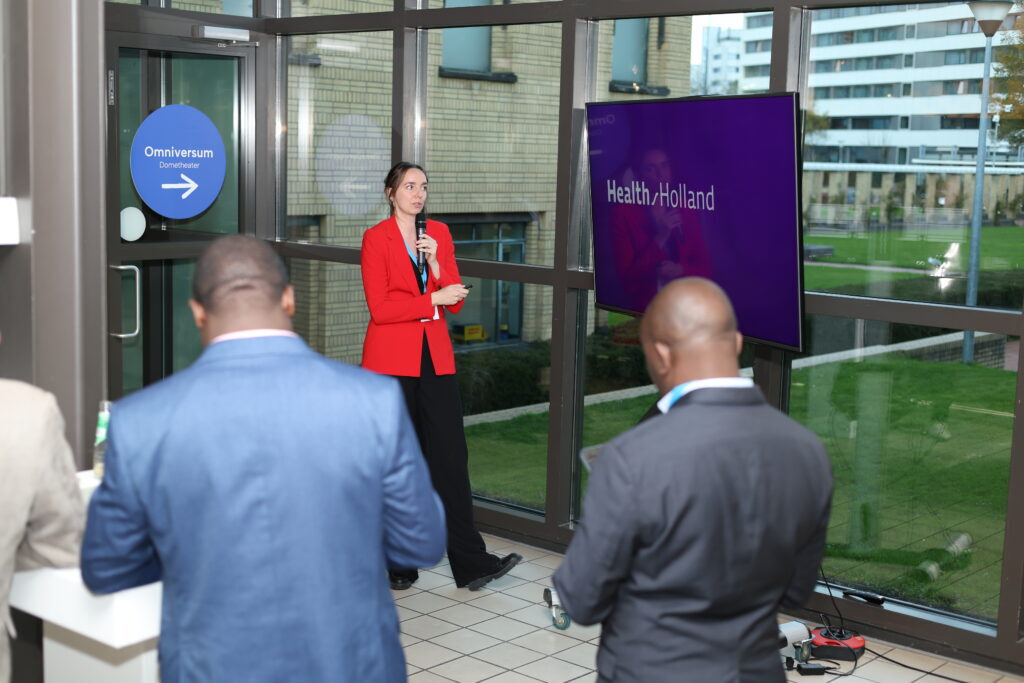
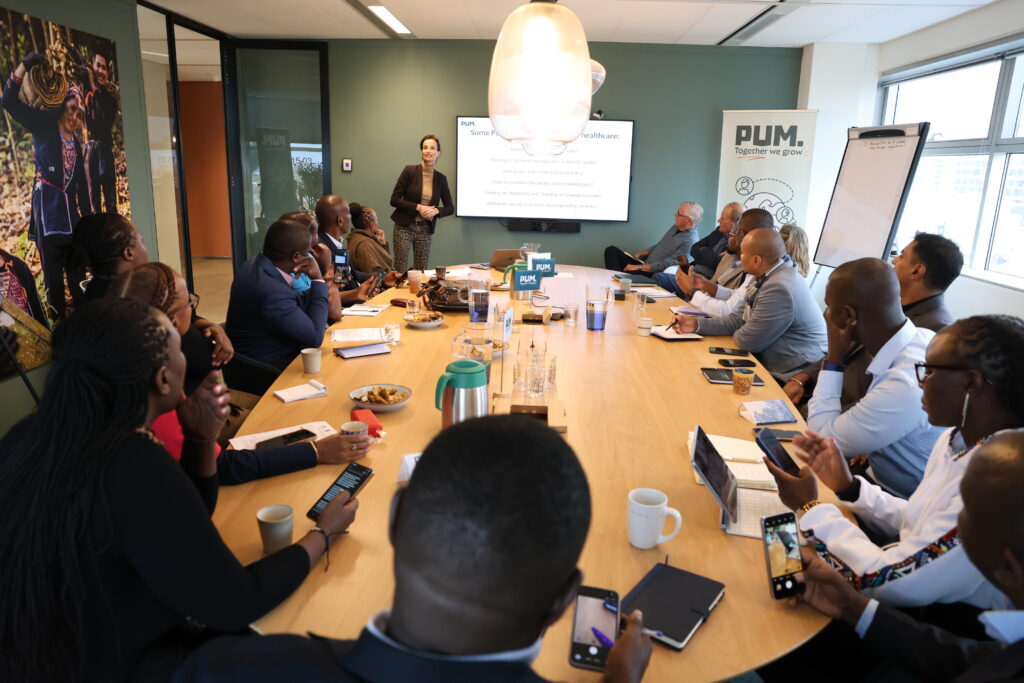
Throughout the week, the delegation explored different dimensions of the Dutch healthcare ecosystem. Discussions with Dutch government representatives provided insight into the Netherlands’ Global Health Strategy, the role of public-private collaboration and the importance of linking international cooperation with trade and investment. The exchange also highlighted Kenya’s own Green Health Guidelines and the opportunities to translate national sustainability ambitions into practical solutions for healthcare facilities.
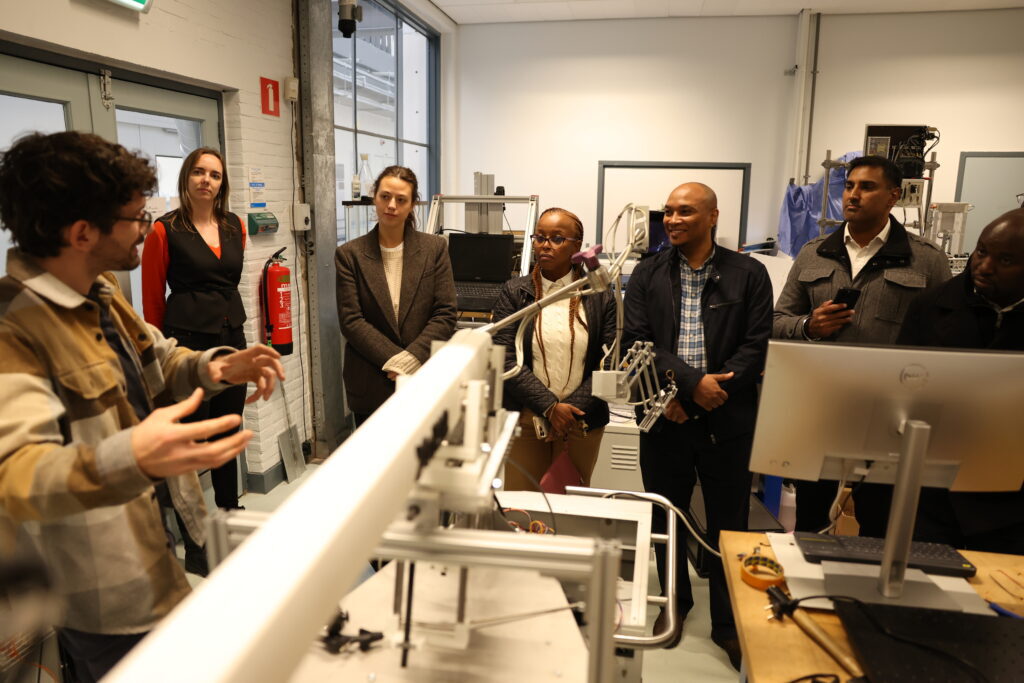
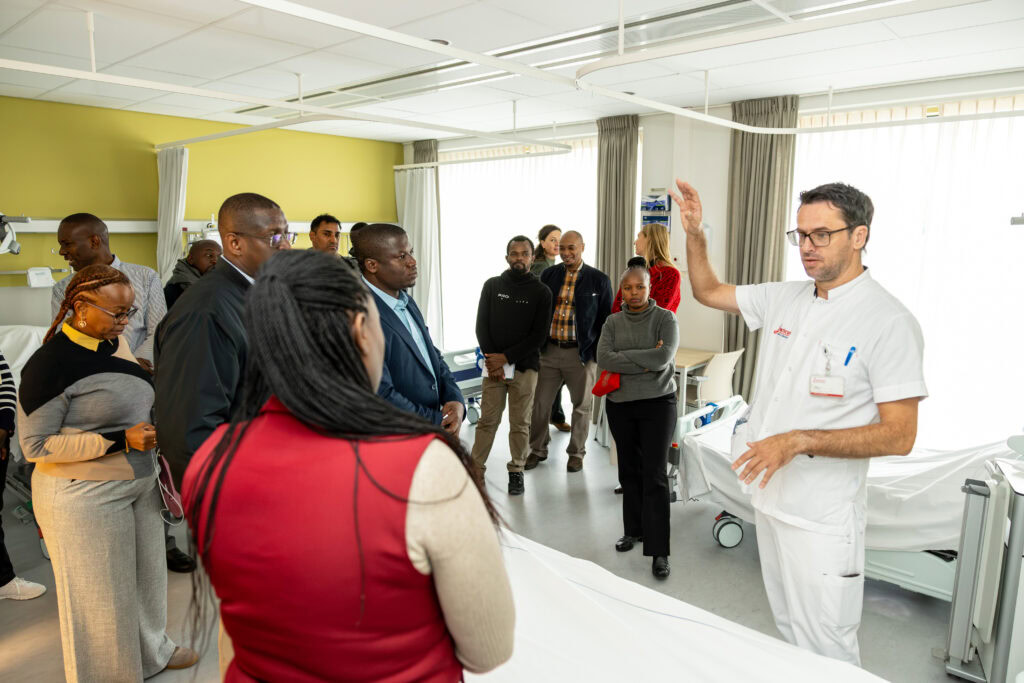
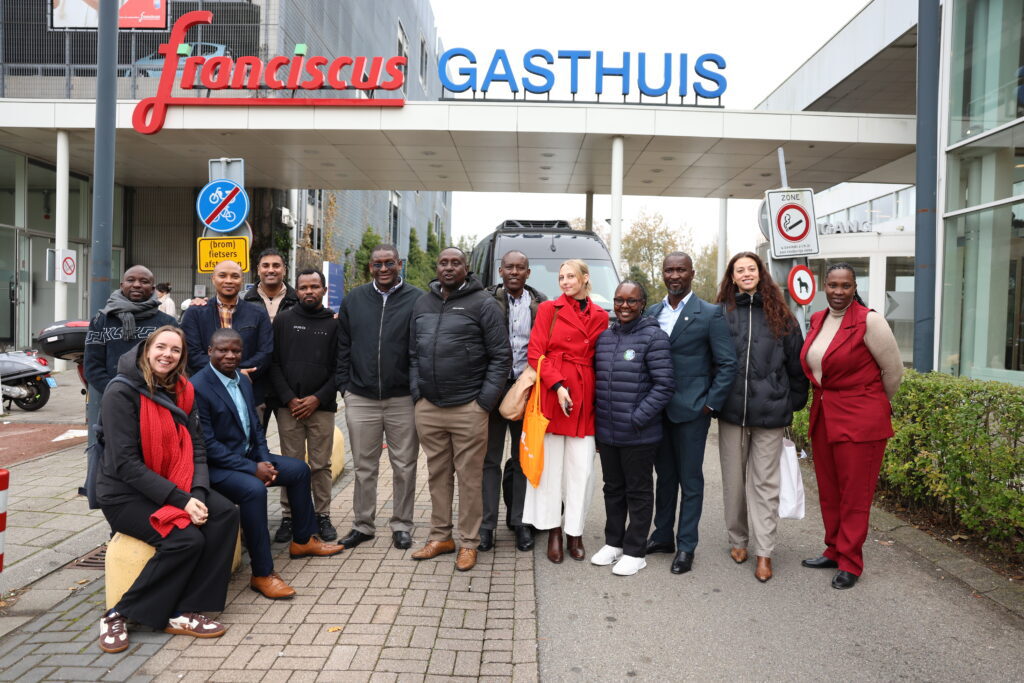
Visits to TU Delft, Erasmus MC and Franciscus Gasthuis demonstrated how research, engineering and healthcare providers can work together to develop and implement affordable, sustainable and context-appropriate healthcare solutions. From biomedical innovation and circular medical technology to energy efficiency, waste reduction and digital care, these examples illustrated that innovation is most impactful when embedded in broader organisational and healthcare systems.
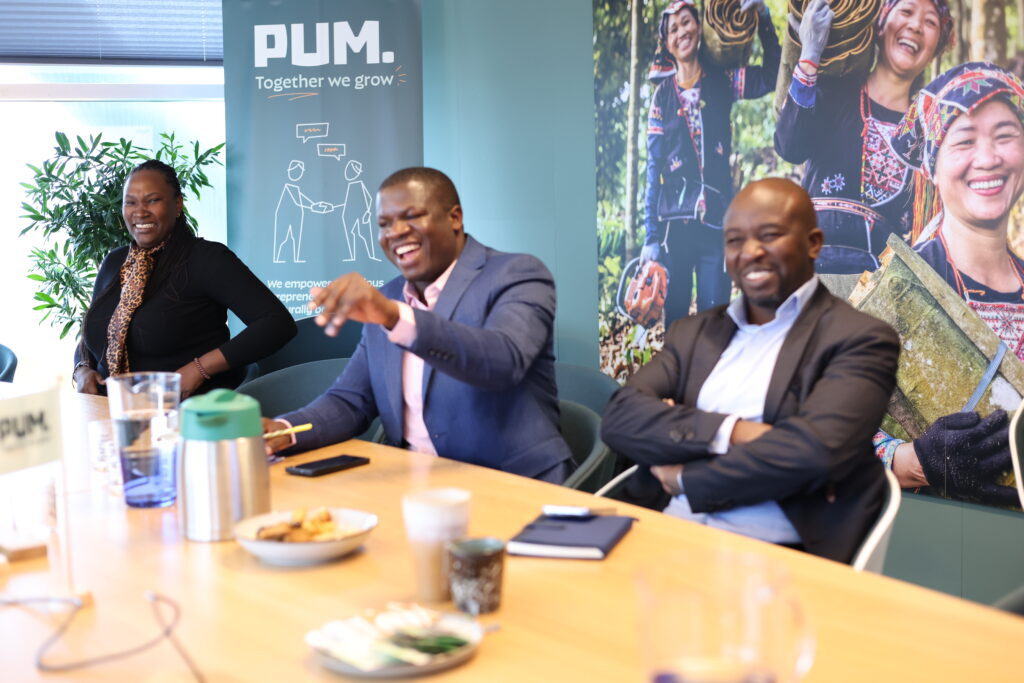
An important part of the programme focused on the conditions that enable private healthcare providers to grow and invest. Discussions with Medical Credit Fund, FOUNT and Invest International explored different financing pathways, ranging from loans and growth capital to larger healthcare investments. PUM contributed perspectives on organisational development, operational excellence and strengthening the capacity of healthcare organisations to deliver quality care.
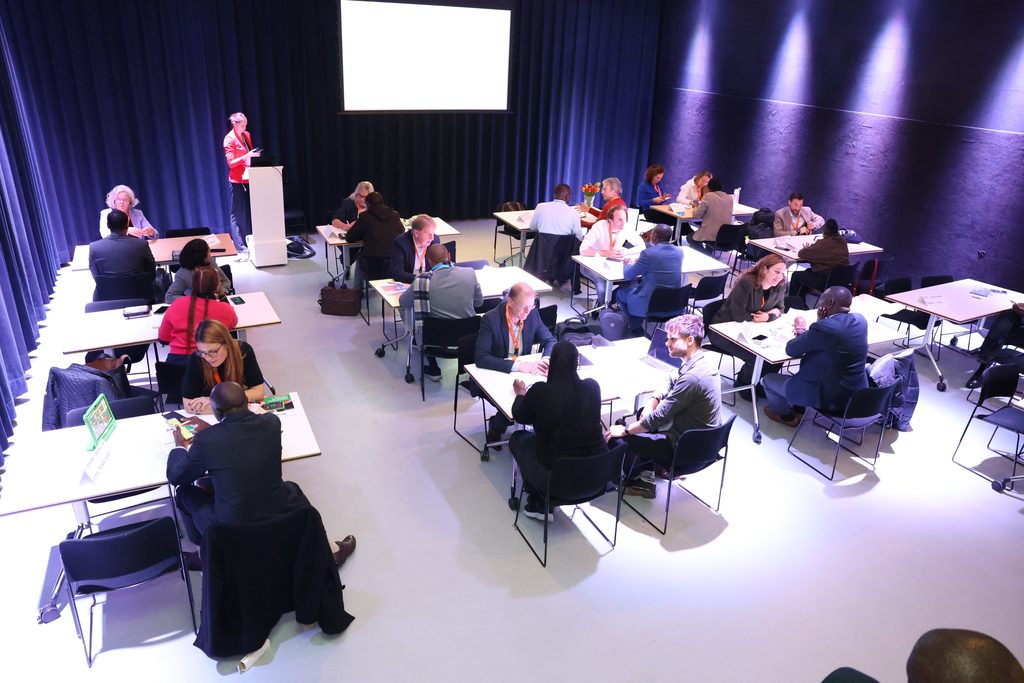
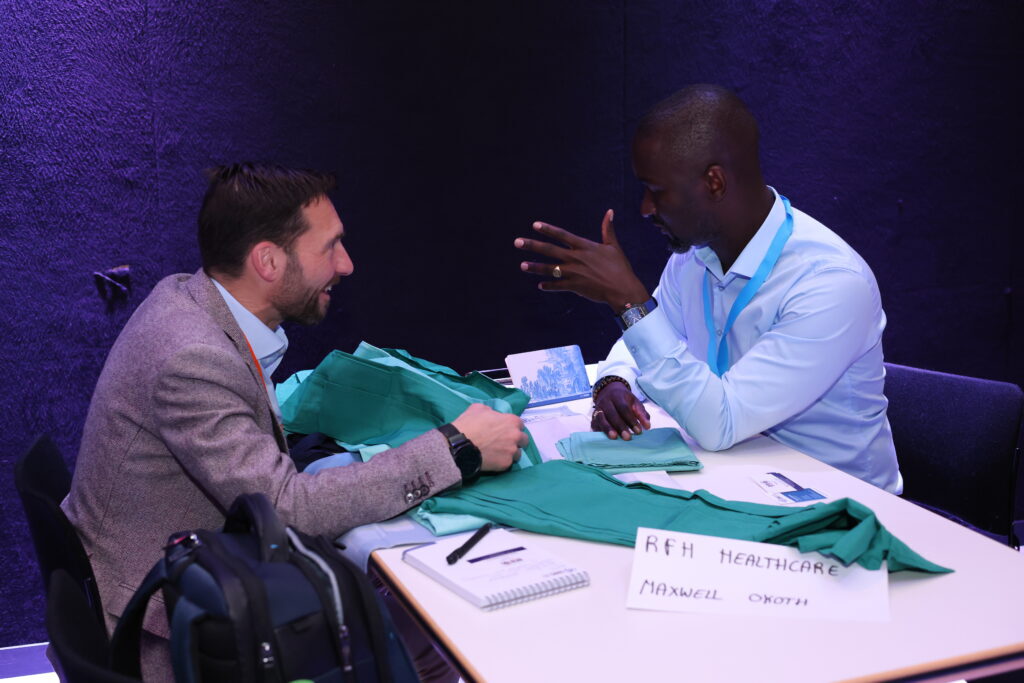
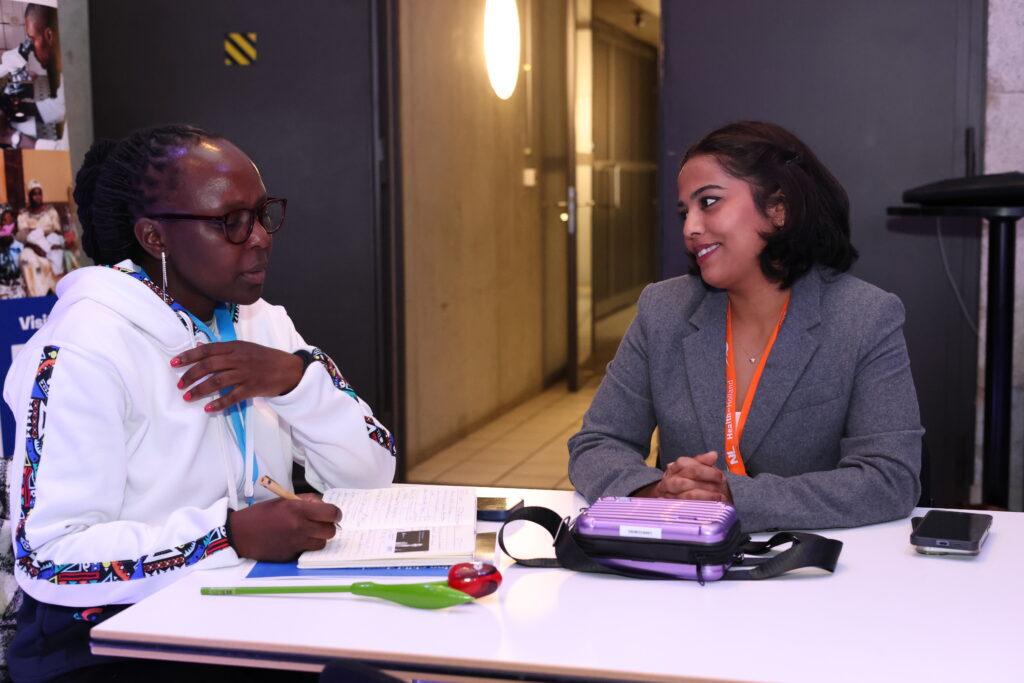
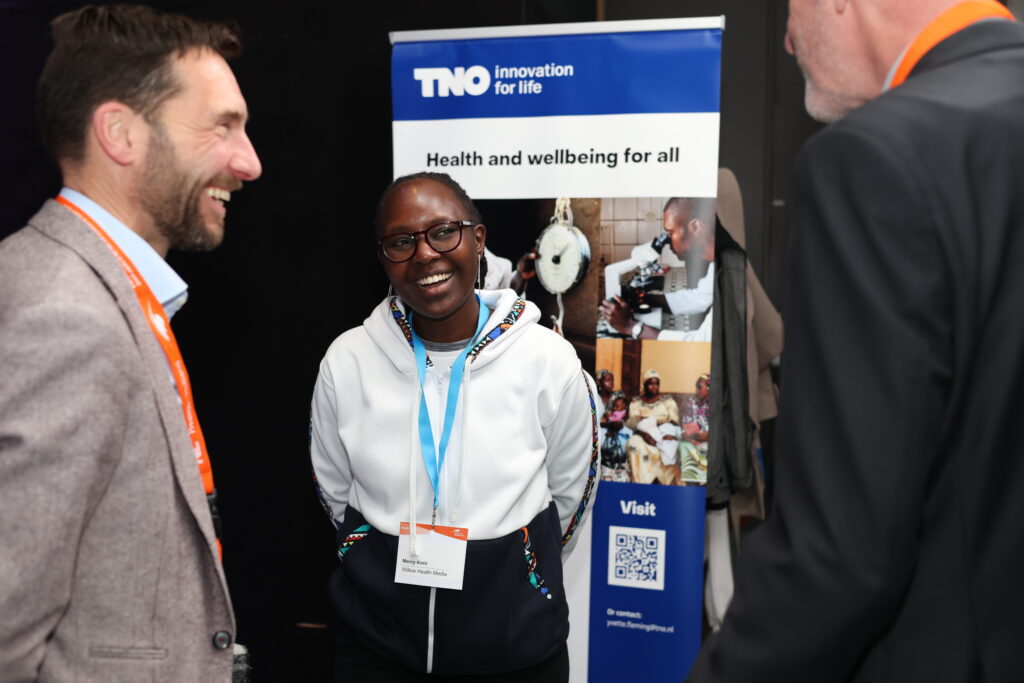
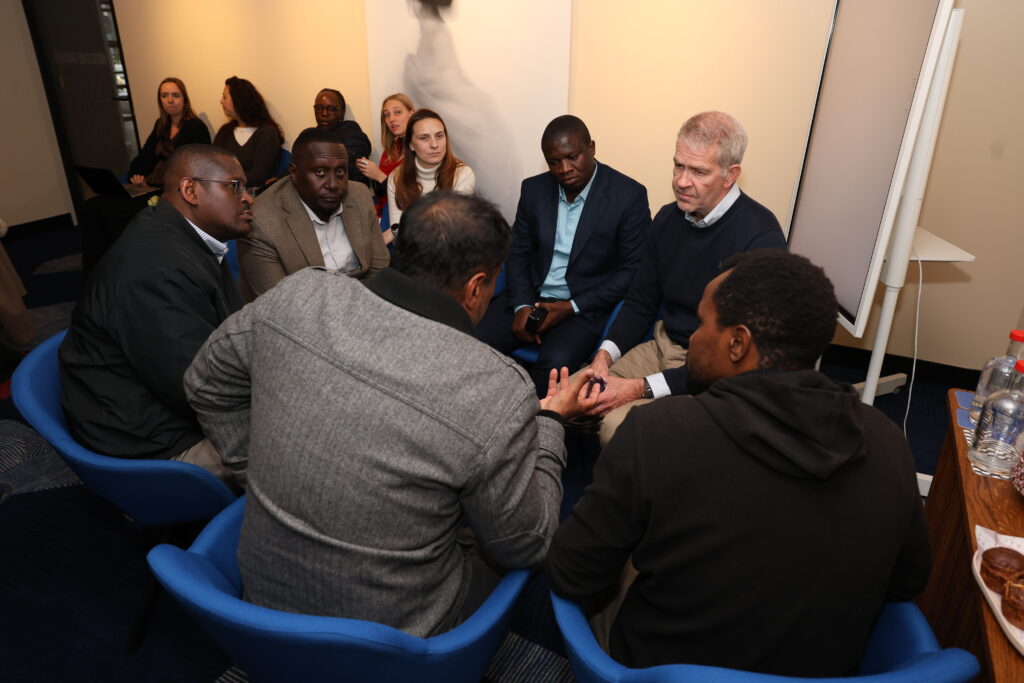
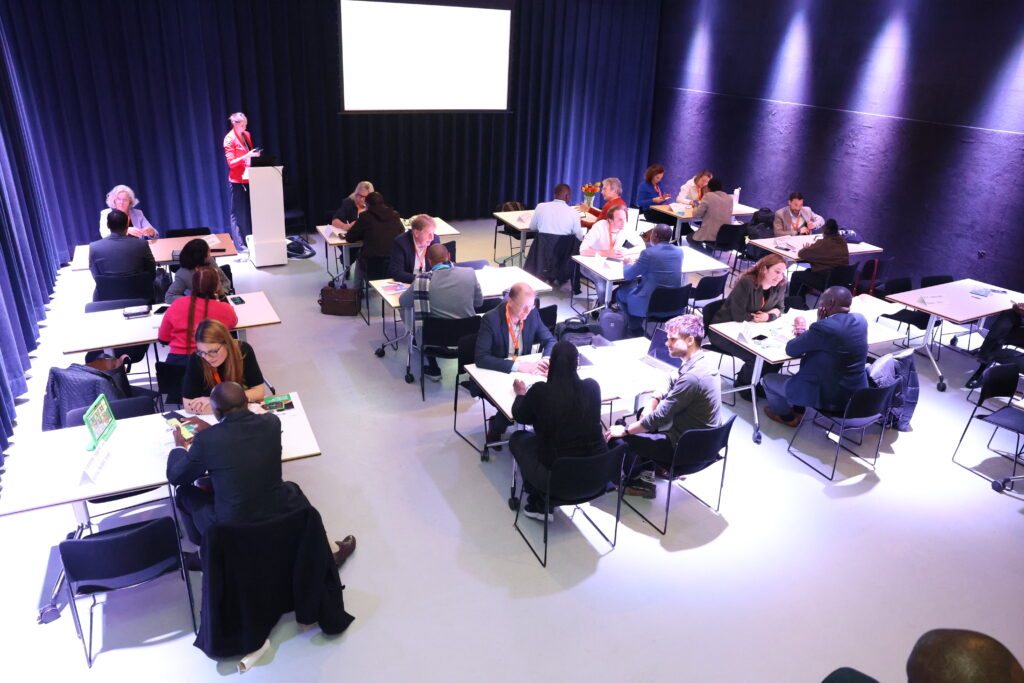
The programme also created opportunities for targeted business engagement. Through matchmaking sessions, Dutch organisations met directly with Kenyan healthcare providers based on their individual priorities and interests. The visit to the Princess Máxima Center further explored opportunities for international collaboration in paediatric oncology, clinical expertise and capacity building.
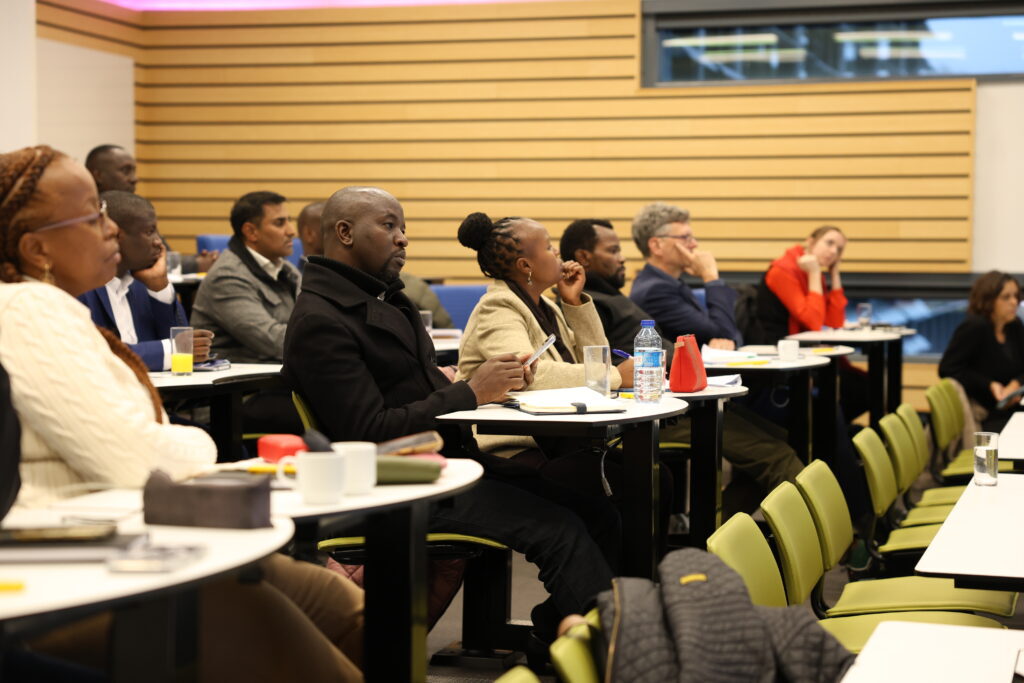
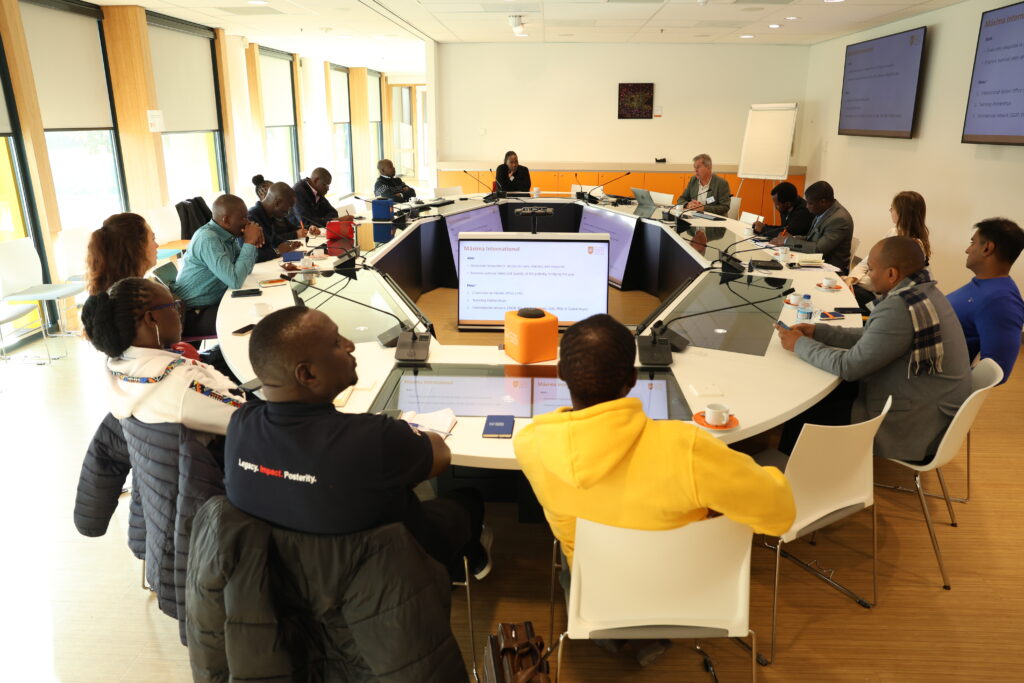
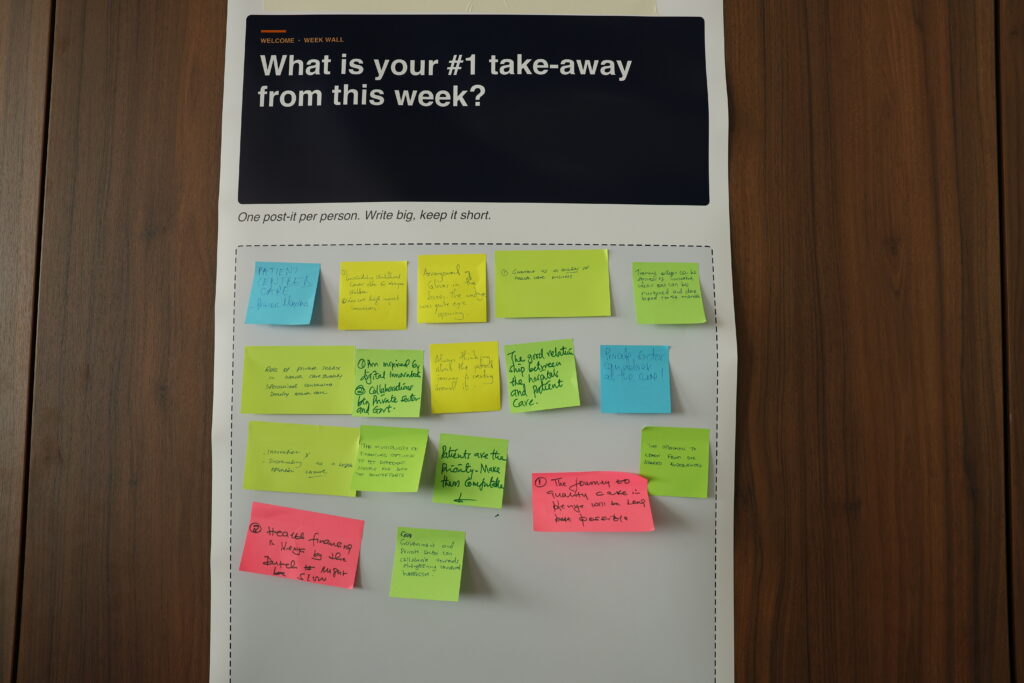
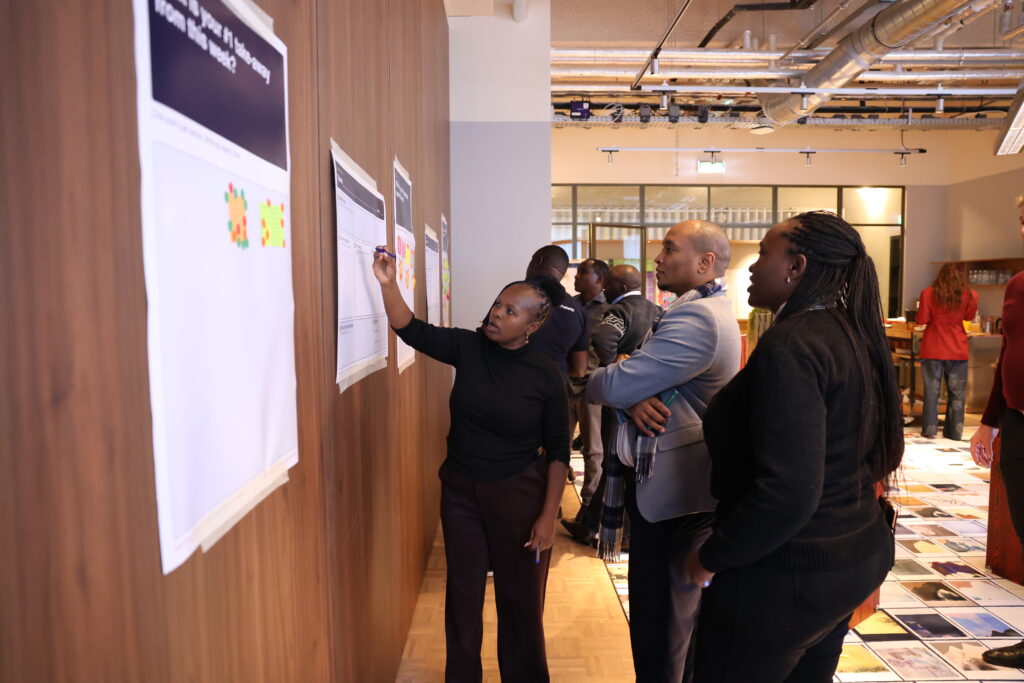
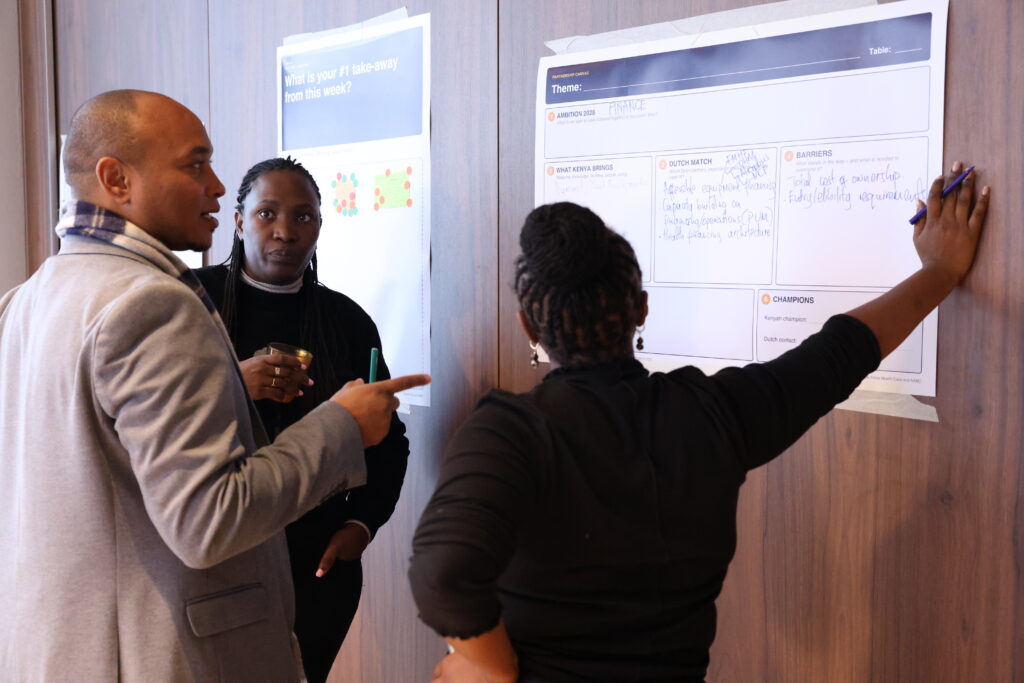
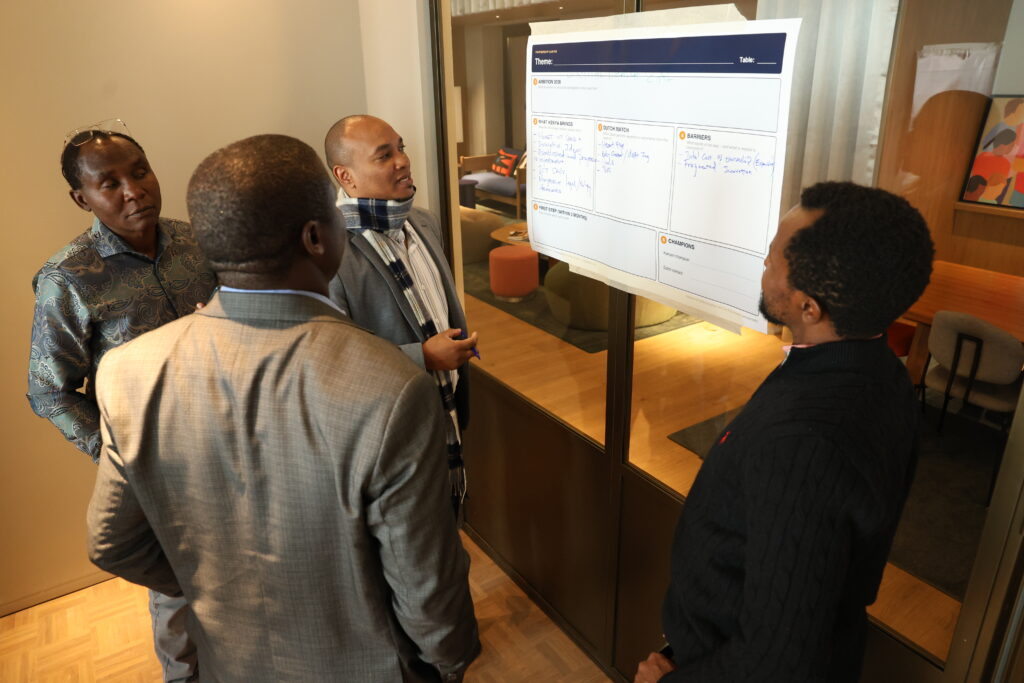
The week concluded with a joint evaluation and partnership-development workshop. Rather than simply reviewing the activities, the Kenyan delegation translated the insights and discussions from the week into shared ambitions, priority areas and concrete first steps for follow-up.
Key themes
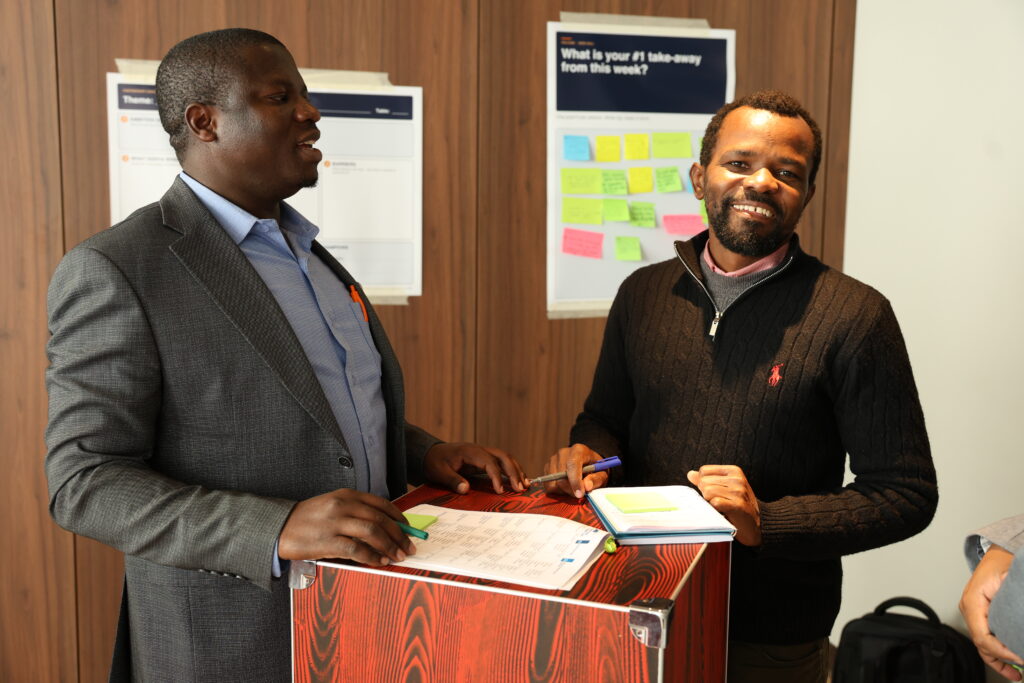
The exchanges revealed that the opportunities for Dutch–Kenyan healthcare collaboration extend well beyond the introduction of new products and technologies. Five interconnected themes emerged as priorities for further partnership development.
Digital health and AI
Digital health and AI were identified as important drivers of more accessible, efficient and patient-centred healthcare. Opportunities include integrating digital solutions into healthcare facilities, applying AI in diagnostics and radiology, and improving patient journeys through better-connected systems. However, successful implementation also requires sustainable financing, interoperability and sufficient local capacity to maintain and operate these innovations.
Medical equipment, diagnostics and specialised care
Medical equipment, diagnostics and specialised care emerged as another important area. Kenyan providers are looking to strengthen diagnostic capacity and expand specialised services, including oncology care. Discussions highlighted the importance of looking beyond equipment procurement to consider financing, maintenance, technical support, regulatory requirements and staff training. Collaboration around paediatric cancer care and connections with centres of excellence also emerged as concrete opportunities.
Healthcare financing and investment
Healthcare financing and investment proved to be a cross-cutting priority. Access to affordable financing is essential for providers looking to expand facilities, acquire equipment, introduce new services or invest in innovation. The discussions explored how different financing mechanisms and investment partnerships could help bridge the gap between healthcare needs and the ability to implement solutions at scale.
Quality, workforce development and operational excellence
Quality, workforce development and operational excellence highlighted the importance of strengthening healthcare organisations from within. Opportunities include staff training, knowledge exchange, collaboration with training institutions, quality improvement and accreditation, as well as supporting private providers in developing more efficient and sustainable operational models.
Sustainable and climate-resilient healthcare
TFHC currently has more than eighty partners and organises over fifty events worldwide each year.
Sustainable and climate-resilient healthcare connected Dutch expertise in green healthcare with Kenya’s ambitions to make healthcare delivery more sustainable. Areas of interest include reducing medical waste, improving resource and energy efficiency, and developing practical sustainability indicators that can eventually become part of hospital quality assessments.
An additional theme that emerged across the discussions was the importance of public-private partnerships. Private healthcare providers play an important role in expanding access to care in Kenya, but sustainable progress also depends on collaboration with government, county authorities, regulators, financing institutions and other healthcare stakeholders.
Key takeaways
One of the main insights from the visit was that successful international healthcare collaboration starts with the needs and ambitions of local healthcare providers. Kenya’s private healthcare sector is diverse, with organisations operating at different scales and serving different communities. This means that solutions need to be adapted to their specific contexts, investment capacities and operational realities. Long-term partnerships offer an opportunity to develop these solutions together rather than relying on one-size-fits-all approaches.
Secondly, access to technology and access to financing cannot be considered separately. A promising innovation will only have lasting impact when healthcare providers can afford to acquire it, integrate it into their services, maintain it and finance its continued use. Connecting Dutch technological expertise with the right financial instruments, investment partners and implementation support is therefore essential.
Thirdly, partnerships require commitment from both sides. Kenyan organisations bring valuable healthcare networks, local expertise, market knowledge and an understanding of the needs of their communities. Dutch organisations contribute complementary expertise in medical technology, digital health, healthcare management, training, research and sustainable healthcare. Combining these strengths creates opportunities for mutual learning and collaboration that go beyond traditional supplier–customer relationships.
Finally, the closing workshop demonstrated the importance of translating dialogue into action. Five shared partnership ambitions towards 2028 were formulated, each accompanied by initial actions and Kenyan organisations taking the lead in driving them forward. These include mapping financing needs against available solutions, following up on digital health engagements, developing partnership agreements and work plans, strengthening connections around medical equipment and specialised care, and bringing healthcare associations together to identify practical sustainability interventions.
The outcome is an initial shared roadmap for continued collaboration, with a clear focus on turning identified opportunities into concrete projects, partnerships and implementation pathways.
What’s next?
The next step is to take these ambitions into the Kenyan healthcare context.
From 7–11 March 2027, Task Force Health Care will co-organise the Impact Mission Kenya 2027 – Life Sciences & Health with the Embassy of the Netherlands in Nairobi and RVO, taking place in Nairobi and the Eldoret region. As part of the Kenya Combi Track, this mission will build on the relationships and opportunities developed throughout the programme and bring Dutch organisations directly into the Kenyan healthcare ecosystem.
The mission will connect Dutch companies, NGOs, knowledge institutions and healthcare innovators with Kenyan public, private and faith-based healthcare providers, sector associations, financing institutions and other relevant stakeholders.
Through strategic dialogue, thematic exchange, matchmaking and visits to local healthcare facilities, participants will have the opportunity to explore concrete partnerships, identify potential implementation and pilot opportunities, and discuss how Dutch expertise and solutions can contribute to the priorities of Kenyan healthcare organisations.
Are you a Dutch Life Sciences & Health organisation looking to establish or strengthen partnerships in Kenya?
Whether you offer medical technologies, diagnostics, digital health solutions, healthcare services, capacity-building expertise or innovative approaches to sustainable healthcare, this is an opportunity to engage directly with Kenyan stakeholders, explore real market needs and take the next step towards long-term collaboration.
Join us in Kenya from 7–11 March 2027 and become part of the next chapter of Kenya–Netherlands healthcare collaboration.
Express your interest in the Impact Mission Kenya 2027
Looking back on the visit
Watch the video recap for an impression of the week, the exchanges and the connections made between Dutch and Kenyan healthcare stakeholders.
Related stories
Discover more about the ongoing collaboration between the Netherlands and Kenya in the Life Sciences & Health sector:

Become a TFHC Partner!
Want to know how TFHC can support your international journey? Discover the benefits of becoming a TFHC Partner and explore how we can help your organisation grow internationally.
Phone: +316 82 39 04 68
E-mail: info@tfhc.nl